
Coming of age in a warming world
Save water, cut carbon, protect wildlife
UC researchers have devised one simple solution to three big problems facing California: Introducing solar over-canals.
Covering as much of California’s 4,000 miles of aqueducts with solar canopies as possible could save billions of gallons of water each year and produce enough clean energy to power a city the size of Los Angeles for nine months of the year.
Our future is fossil-free
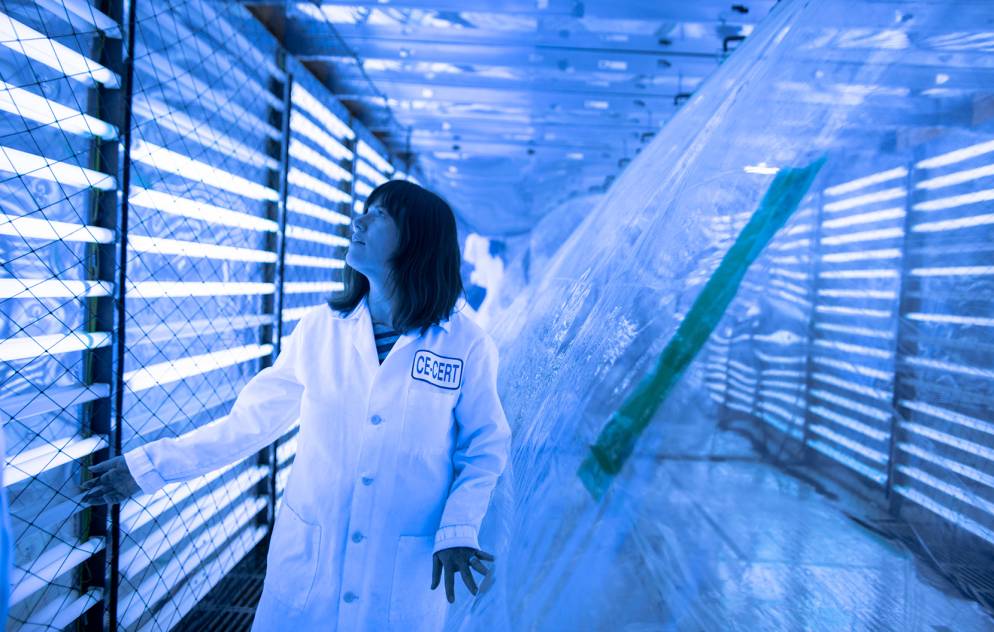
Transitioning to renewable energy is a complex, high-stakes and urgent challenge. Who better than the world’s leading research university to take it on?
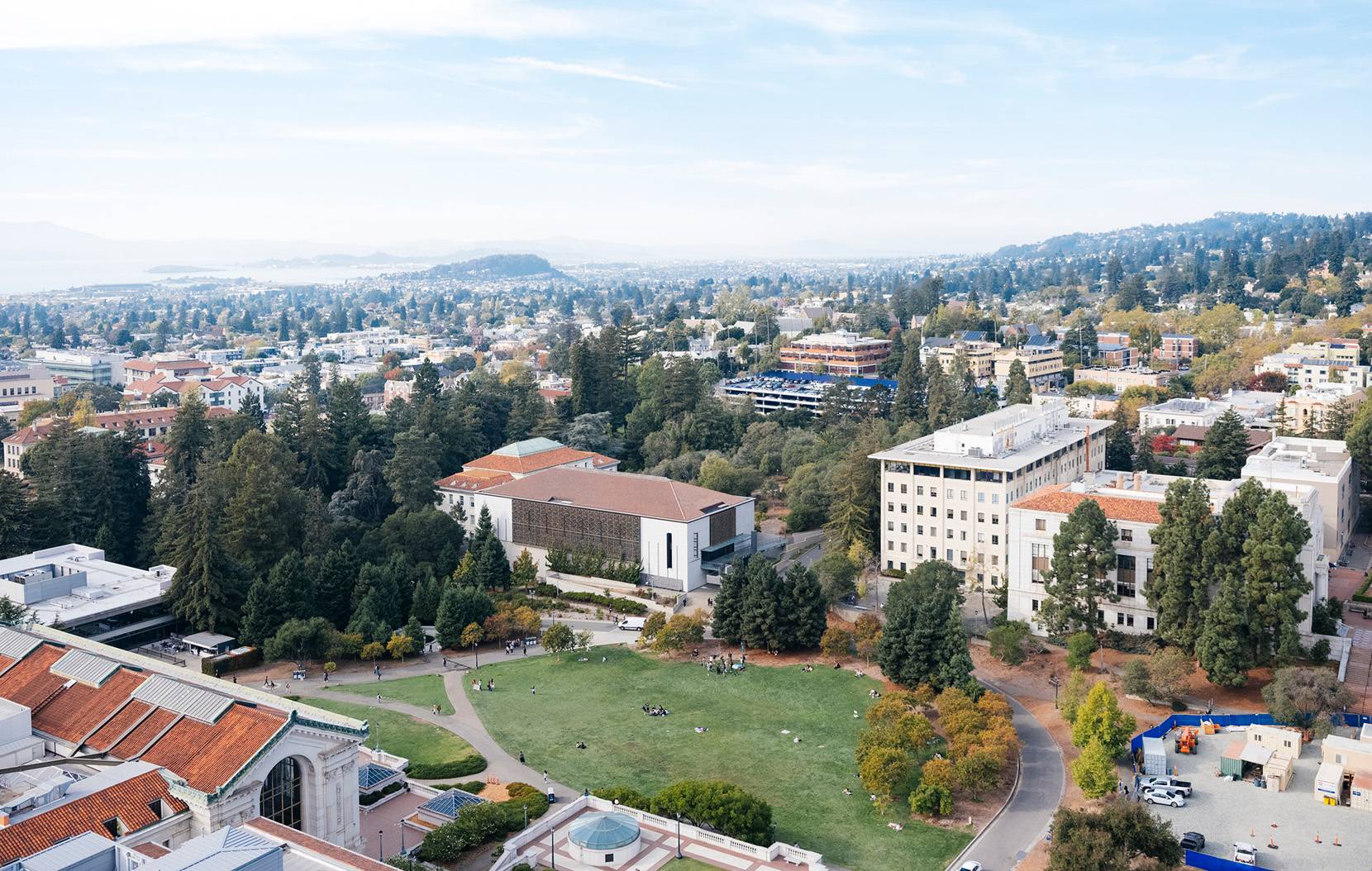
“We’re taking a whole campus and transforming it. It’s a giant project ... It’s going to work, but there are not a lot of examples of anyone else out there of doing it.”
Kira Stoll, chief sustainability and carbon solutions officer at UC Berkeley
Breaking news
UC enrolls its largest class in history
The number of undergraduates rose to a record-breaking 233,272, with California students comprising 83.4 percent. Out-of-state enrollment dipped to its lowest level since 2017.
10 campuses.
Endless possibilities.

All campuses have something amazing to offer
We’re building a culture of academic excellence on our campuses. See the places where research thrives. Witness the innovations of the future. Meet incredible people and enjoy the diverse culture and unique views from each one.
UC San Diego
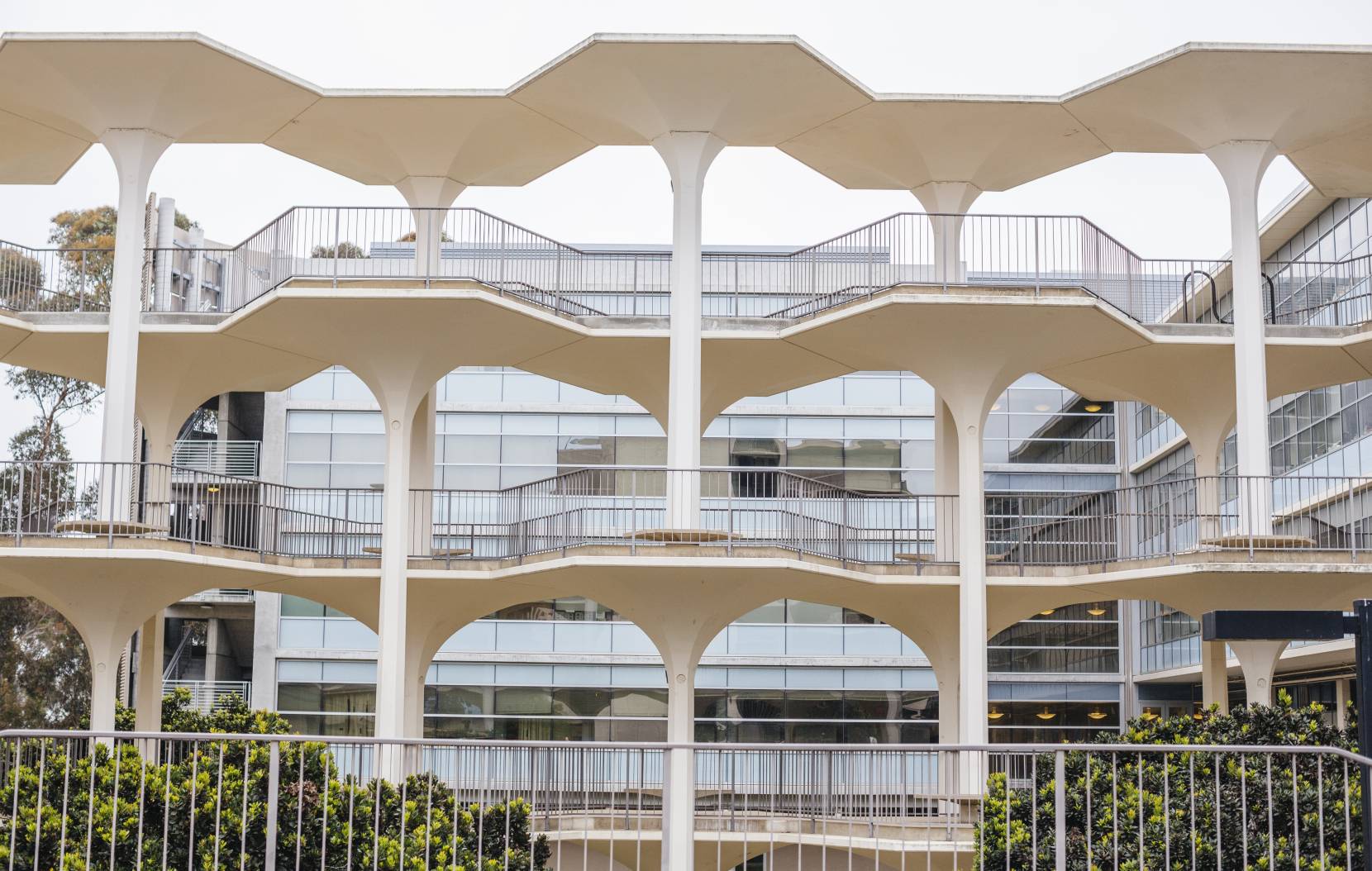
San Diego is doing things a little differently. It’s second in the world in research universities and has over 130 undergraduate courses across five disciplines. But there are also seven colleges here, with their own theme and educational requirements.
UC Irvine
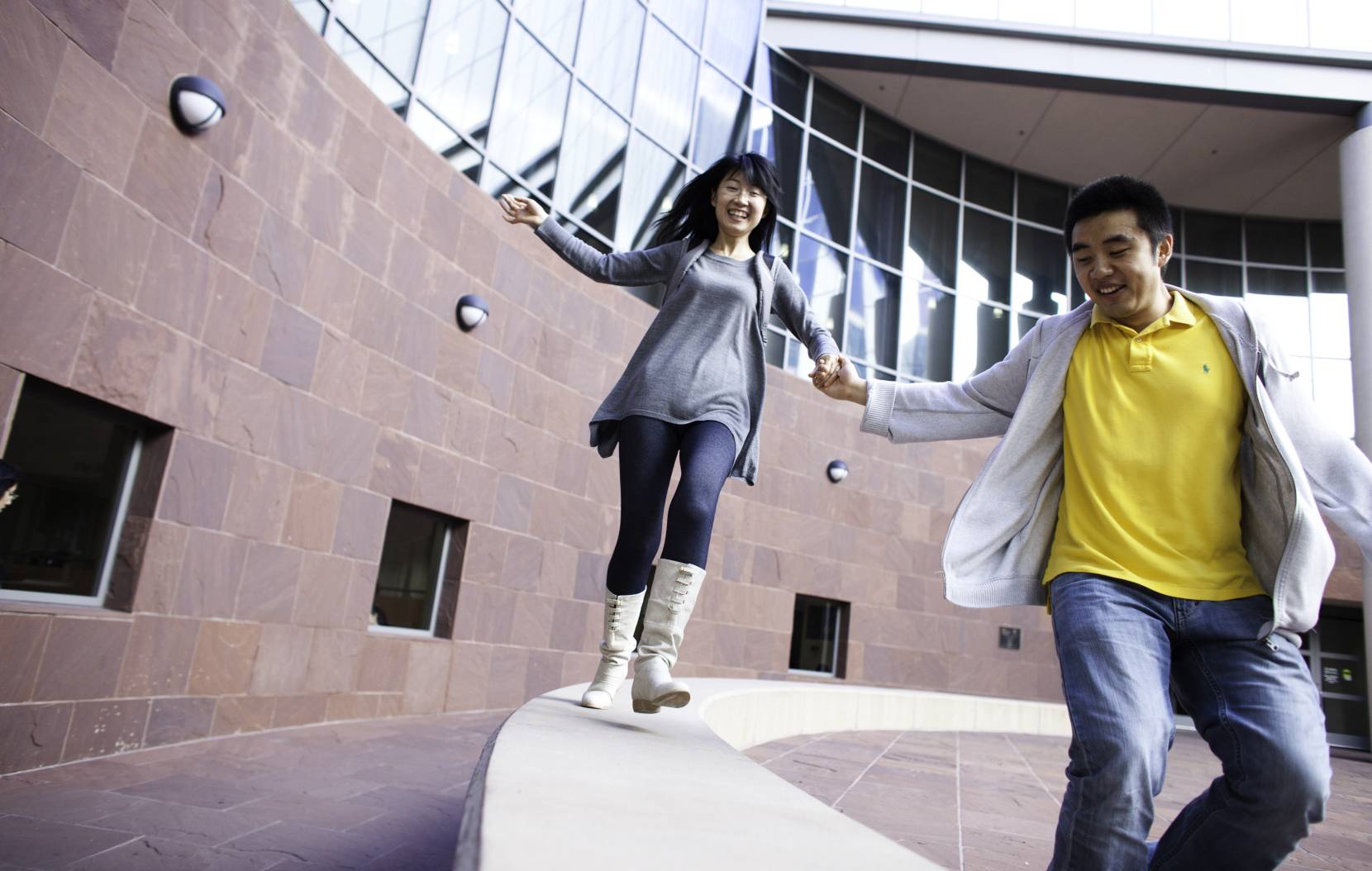
Irvine is home to independent thinkers. With a friendly on-campus vibe and a diverse research community, people feel right at home here.
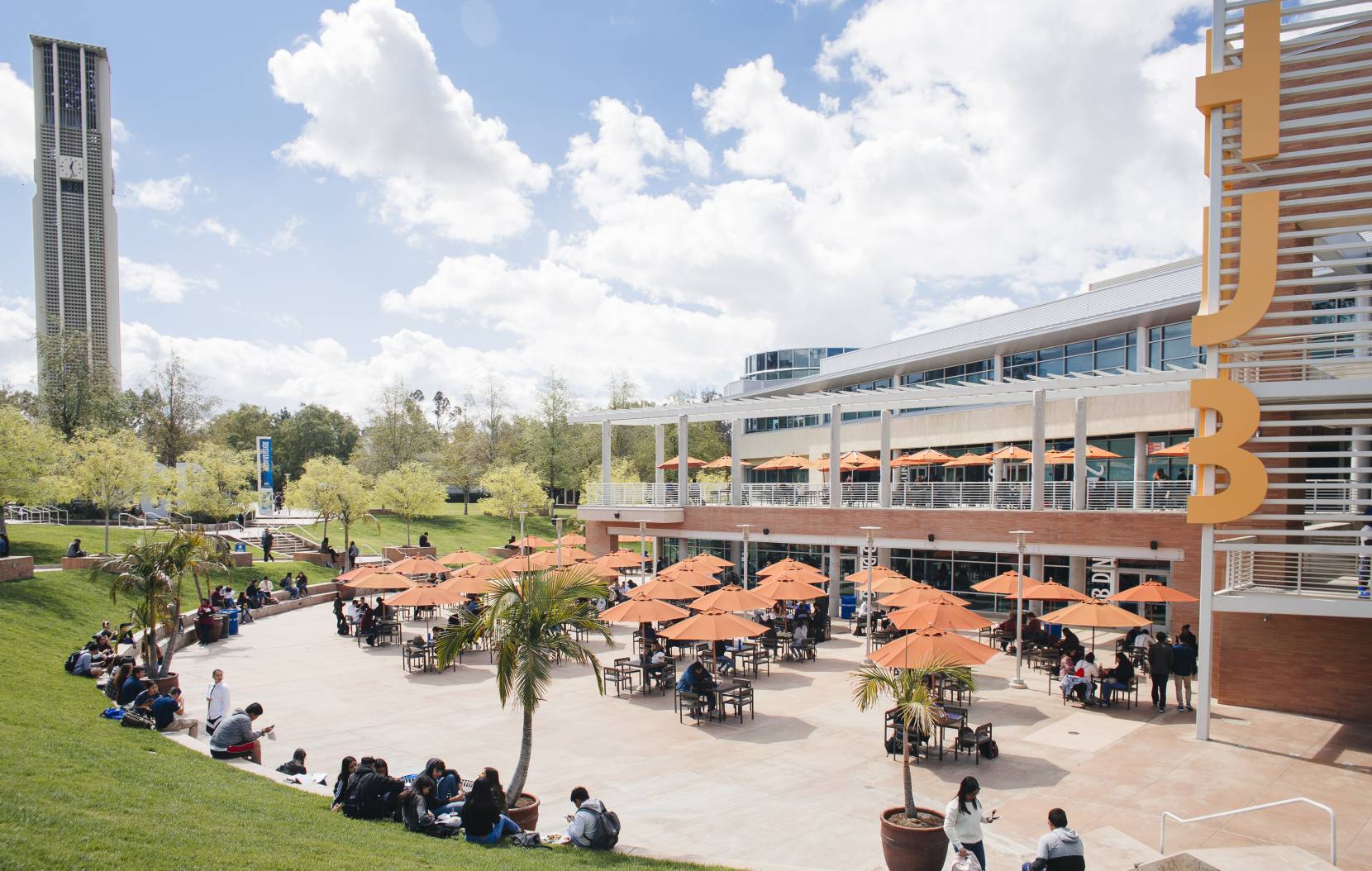
UC Riverside
Riverside is well established as one of the top universities in the world. But apart from rankings, the research done here is unparalleled. It’s one of the leading universities to offer faculty-led research to all undergrads.
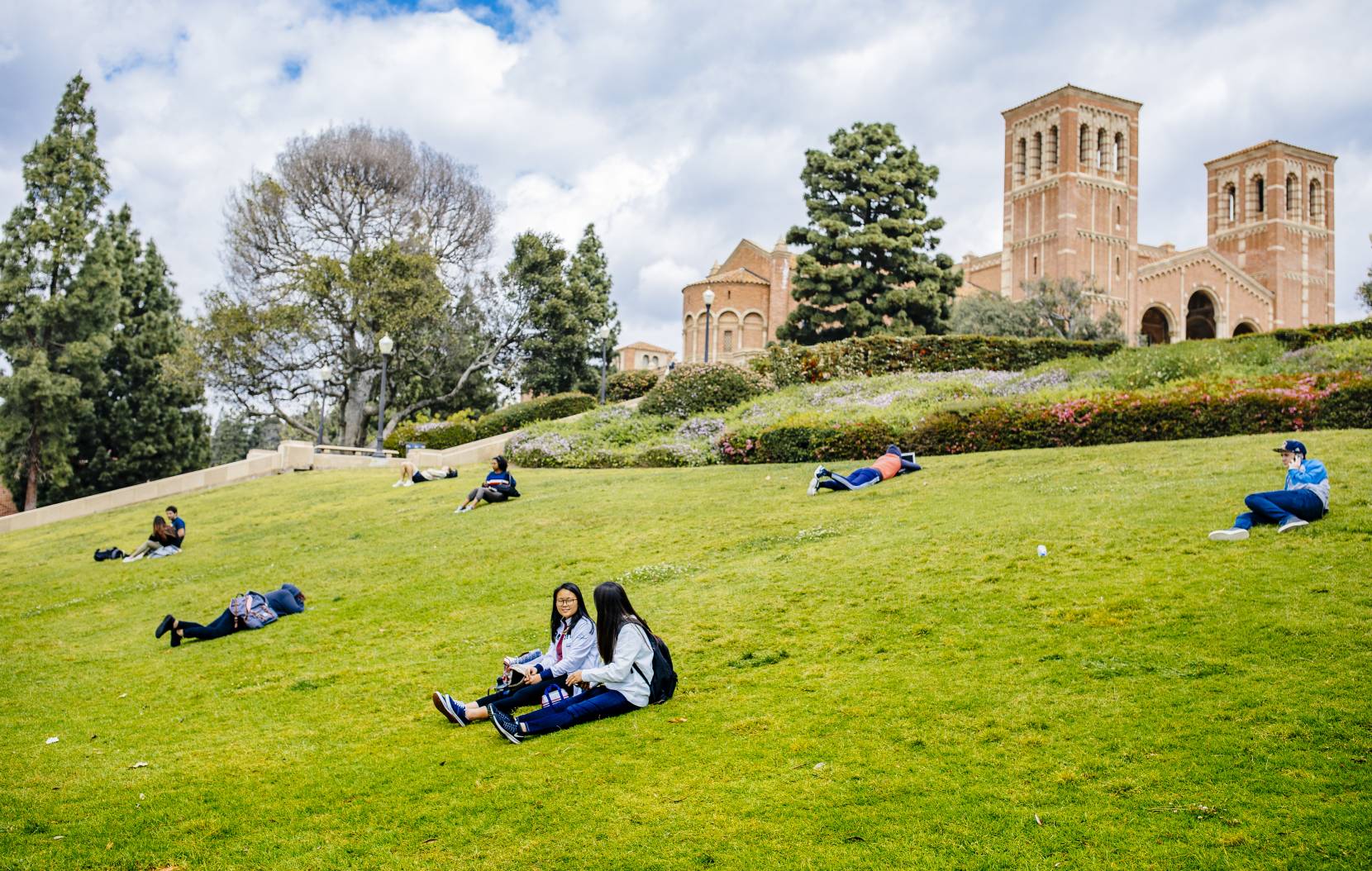
UCLA
Anything is possible at UCLA. We’re more than just our accolades. We’ve done some incredible things and created over 140 companies with technology developed here. It’s easy to see how UCLA is redefining the future.
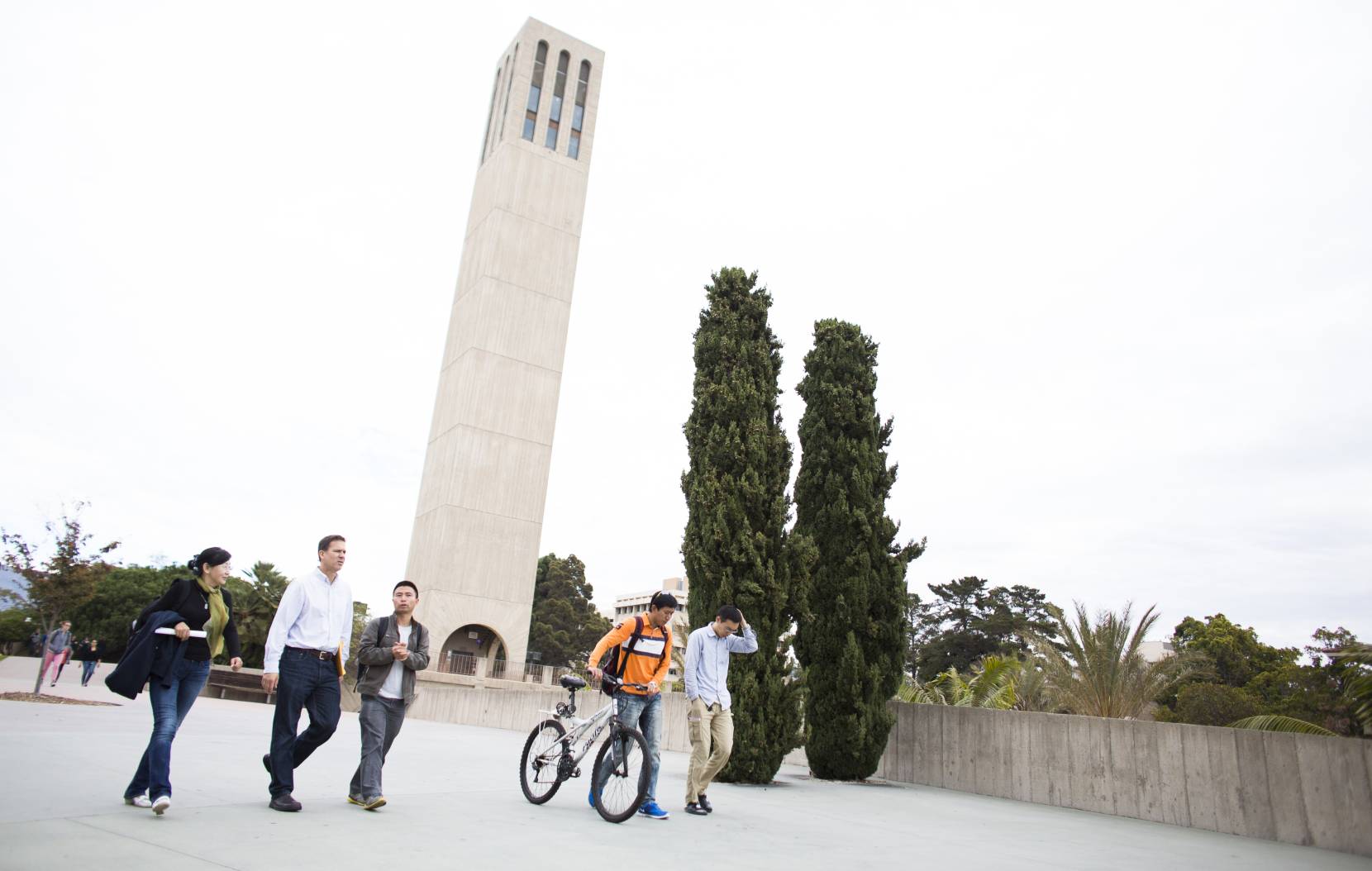
UC Santa Barbara
Santa Barbara encourages students to challenge themselves freely. Here we equip them with the creative freedom to open doors and aim for academic excellence Plus, it’s right on the beach for a stunning view.
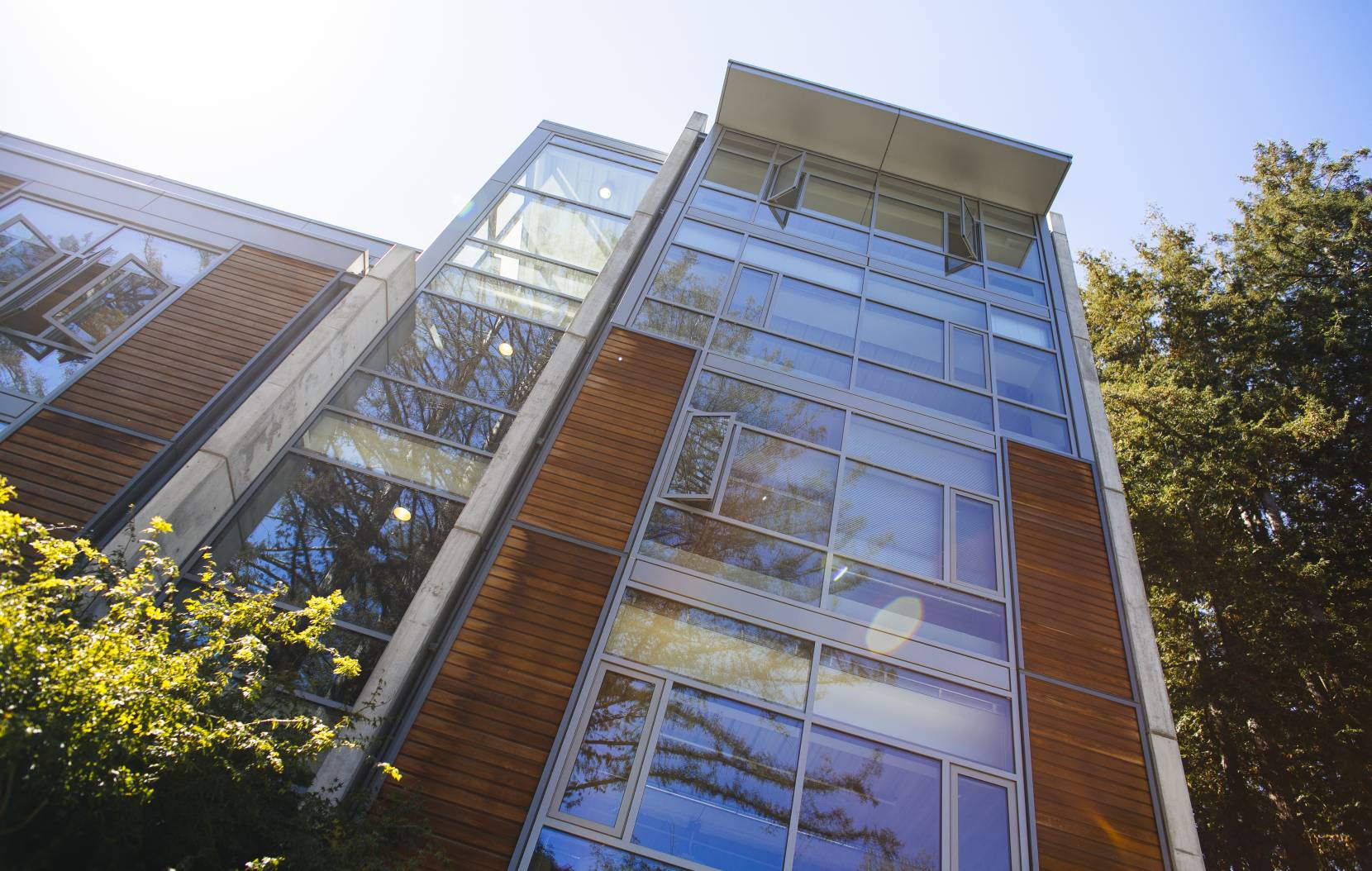
UC Santa Cruz
With ground-breaking disciplines, towering redwood forests, and a unique cityscape, UC Santa Cruz is pretty spectacular. Quality research means quality results. And there’s plenty of space for intellectual exploration at this stunning hillside campus.
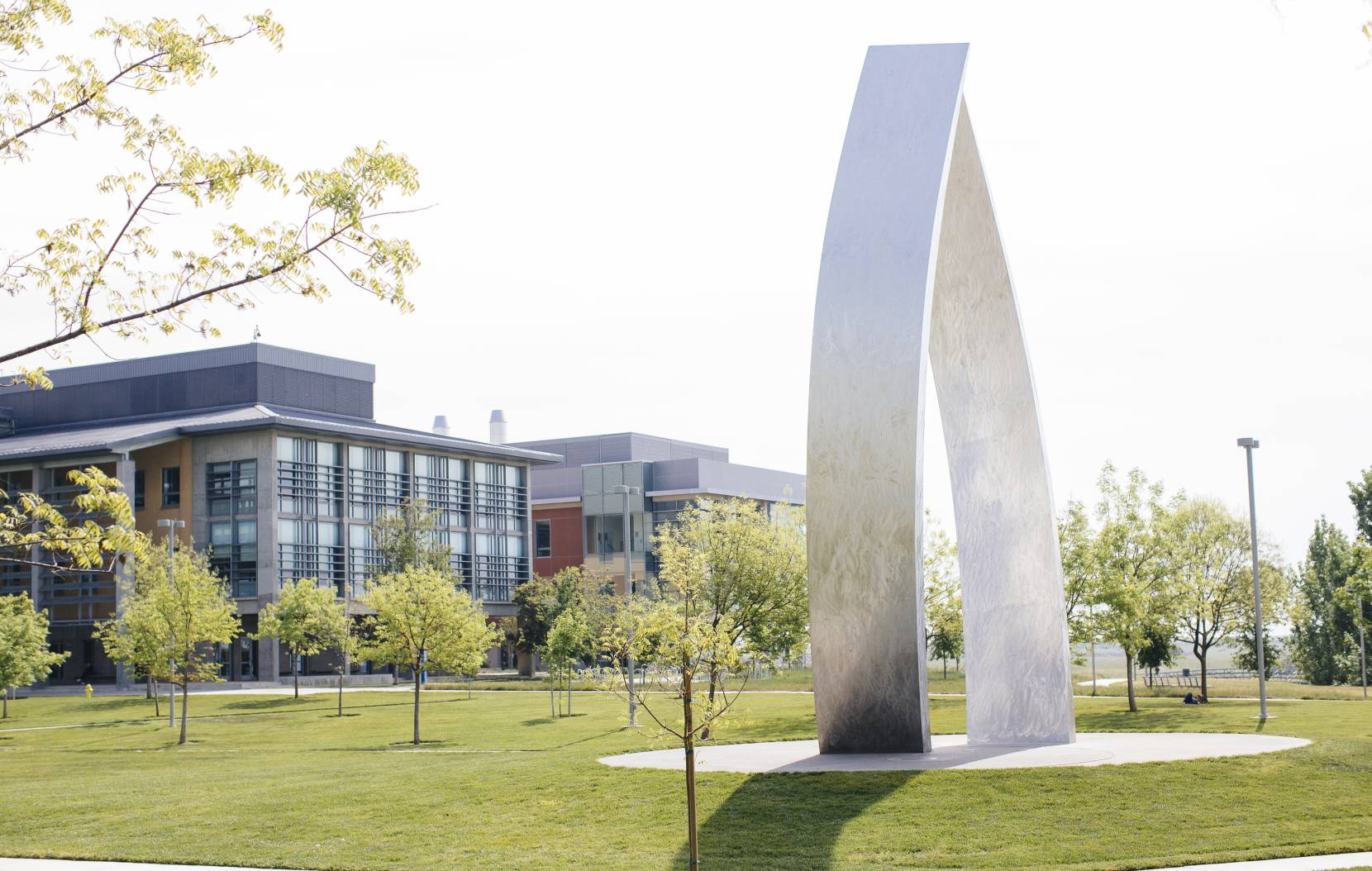
UC Merced
Welcome to California’s newest base for advanced research. We’ve got all the latest facilities to aid students and researchers. Not to mention our backdrop, Yosemite National Park: The greatest natural research facility of all.
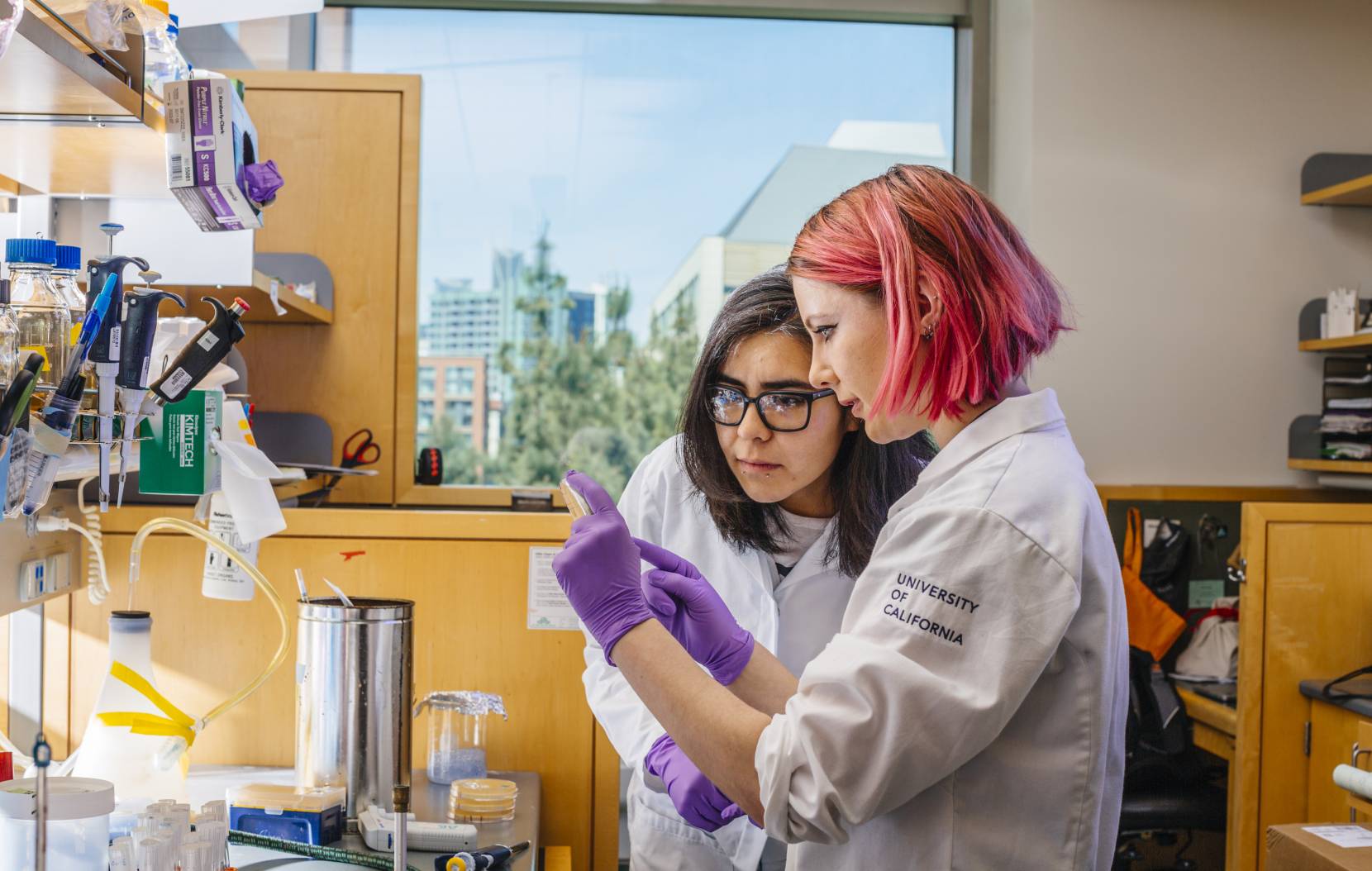
UC San Francisco
Compassion and patient care go hand in hand with groundbreaking research and teaching. That’s the heart of UC Health. And at UCSF, we run one of the nation’s best medical centers —changing people’s lives every day through health and science.
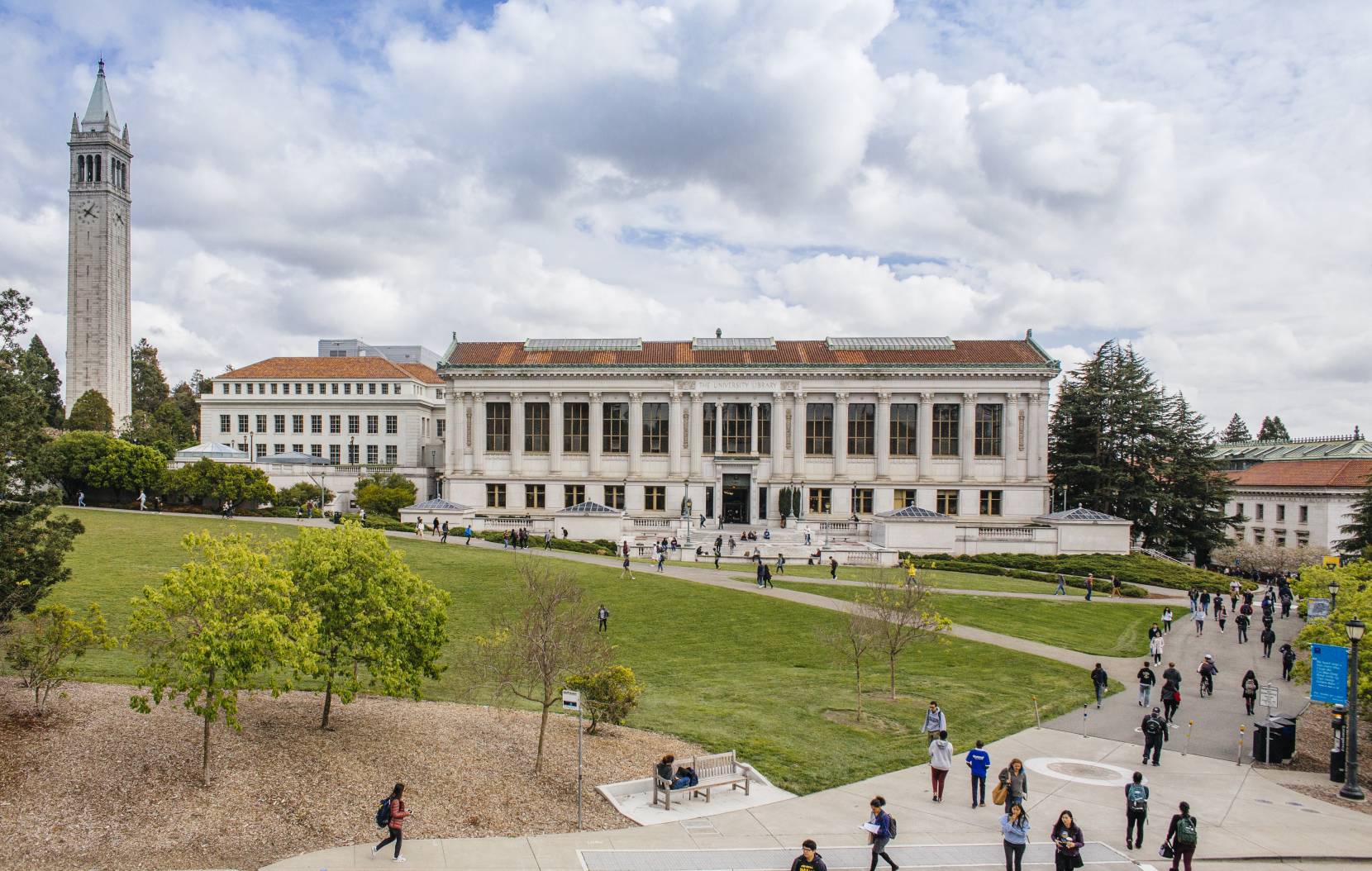
UC Berkeley
107 Nobel laureates. 19 Pulitzer Prizes. 207 Olympic medals. Berkeley’s accolades speak for themselves. This dynamic campus has the most eclectic, exciting mix of students in California.
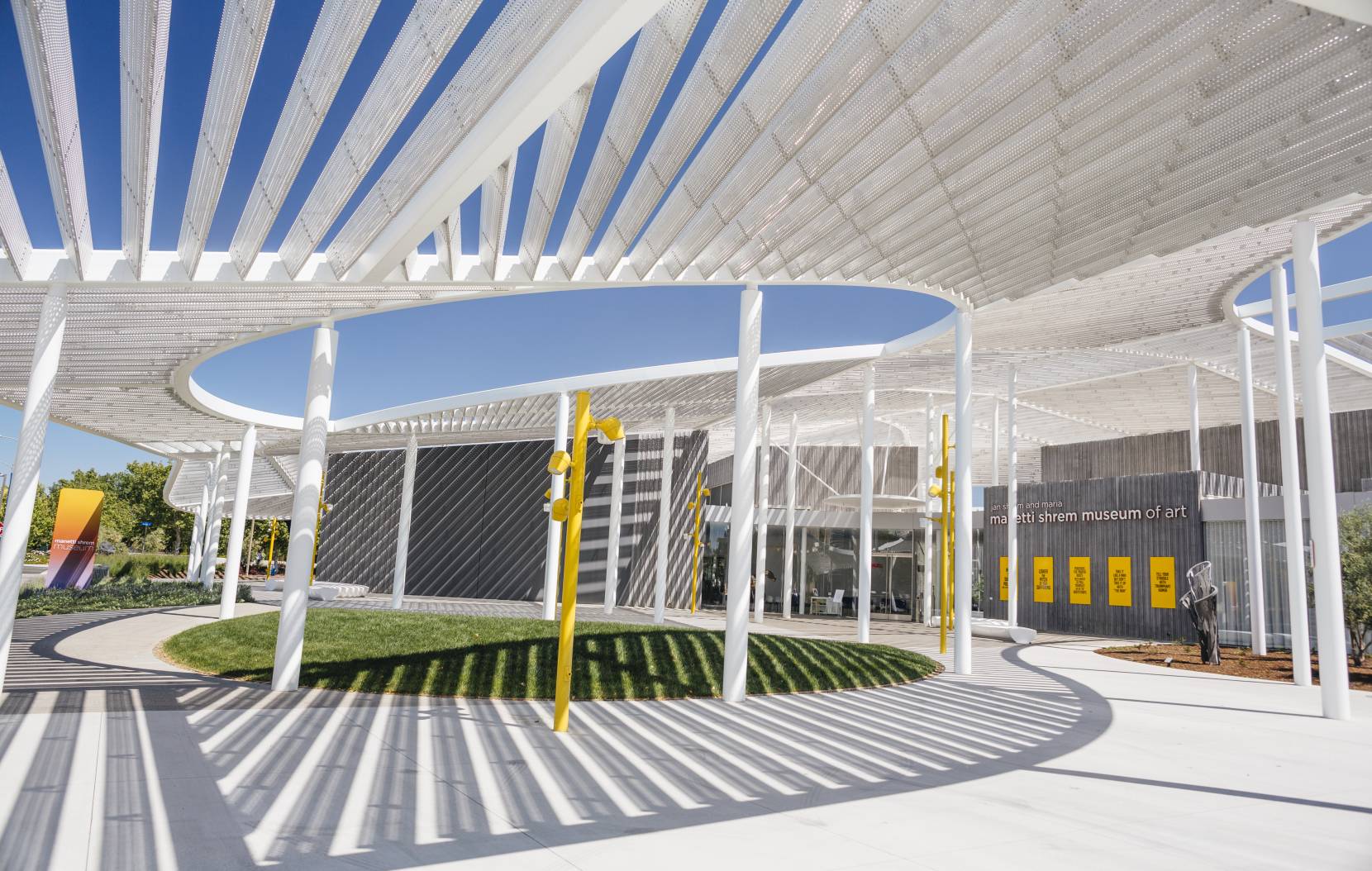
UC Davis
Research is at the heart of UC Davis. It’s ranked as one of the top public research universities in the world. Davis is famous for unparalleled academics and research opportunities with an easy-going college town feel.
Explore the UC story through data
See detailed metrics on student enrollment, graduation rates, alumni outcomes and more about the University.
82% of undergrads come from California
2 out of 3 California students who applied last year got in.
54% of California undergrads pay no tuition
UC has one of the strongest financial aid programs in the nation.
86% of undergrads earn a diploma
Most students complete their studies in just over four years.